Are AI Security Audits Leaving You Vulnerable?
Your AI Security Audit is Giving You a False Sense of Security
Most leaders think that deploying Claude or Cursor to scrub their codebase means they’ve locked the front door. It’s a dangerous myth: AI doesn't eliminate the need for humans; it just makes the remaining human work significantly more expensive if you ignore it. The bottom line is that while AI closes the "easy" gaps, it leaves a high-stakes trail of infrastructure and runtime vulnerabilities that only a specialized offensive firm like Lorikeet Security can catch.
The Post-AI Residual Risk Economy
As the editor of No-Code Ledger, I’ve seen my fair share of "silver bullet" tools, but the Lorikeet Security case study with Flowtriq is a wake-up call for anyone building in the AI-native era. We are entering a phase where the "low-hanging fruit" of security—think basic SQL injection or XSS—is being handled by LLMs during the development cycle. This is great for baseline hygiene, but it creates a strategic blind spot.
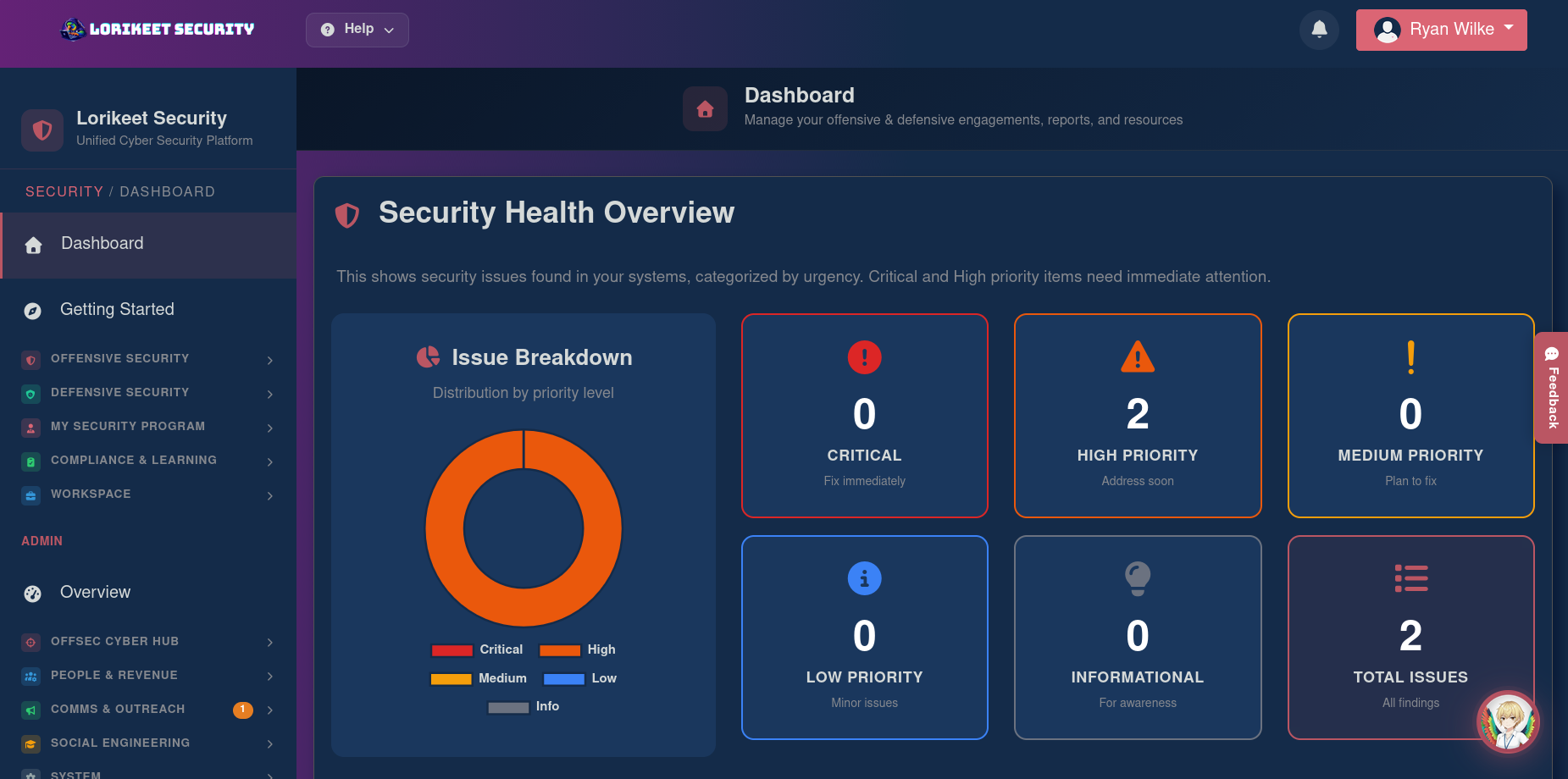
The business case here is about shifting your defensive spend to where it actually matters. When Flowtriq used Claude for an initial audit, they cleared the deck of code-level bugs. However, Lorikeet’s manual pentest still unearthed two High-severity findings that AI is structurally incapable of seeing: session management edge cases and reverse-proxy configurations. For a DevTools leader, the competitive advantage isn't just saying "we use AI"; it’s proving that your runtime environment is as hardened as your code. In a market where trust is the primary currency—especially for fintech and healthcare clients—relying solely on automated audits is a liability, not a strategy.
Strategic Pillars of Offensive Validation
- Operational Efficiency: By using AI tools like Copilot or Claude to handle the initial security pass, your internal engineering teams can ship faster without getting bogged down by basic vulnerabilities. This allows the subsequent manual pentest to focus on complex logic flaws rather than wasting time on syntax-level errors.
- Cost Impact: A breach involving session hijacking or misconfigured cloud infrastructure can cost millions in remediation and lost reputation. Investing in targeted manual testing after an AI sweep ensures you aren't paying premium consultant rates to find "dumb" bugs that a machine could have caught for pennies.
- Scalability: As you move toward SOC 2 or FedRAMP compliance, you need a repeatable "Resource Index" of security wins. The Lorikeet model allows you to scale your development speed with AI while maintaining a high-security ceiling through their PTaaS (Pentest-as-a-Service) portal, providing real-time visibility as you grow.
- Risk Factors: The biggest risk is "automation complacency." If your team starts believing the AI audit is exhaustive, they will neglect runtime hygiene and file-system permissions, which are exactly the areas Lorikeet identified as the new primary attack surface.
Navigating the Shift to Runtime Security
Implementing a hybrid security model—AI-driven code review followed by manual offensive testing—requires a shift in how we think about the "Tool Registry." You shouldn't just look for a tool that checks boxes; you need a partner that integrates into your modern stack. Lorikeet’s approach is built for teams using Cursor and Claude, meaning they don't spend time lecturing you on things your AI already caught.
Integration requires about two to four weeks of lead time to align the manual test with your release cycle. From a change management perspective, your DevOps team needs to move away from the "scan and pray" mentality. Instead, they should treat AI audits as a prerequisite for the "final boss" of security: the manual pentest. This ensures that by the time you reach the reporting phase in Lorikeet’s portal, you are looking at sophisticated architectural insights rather than a list of typos.
The New Offensive Hierarchy
In the current landscape, Lorikeet Security isn't just competing with traditional firms; they are competing with the illusion of "good enough" automation. Traditional legacy players like Veracode or Checkmarx focus heavily on static and dynamic analysis (SAST/DAST), which are increasingly being cannibalized by AI-native development tools.
On the other end of the spectrum, bug bounty platforms like HackerOne or Bugcrowd offer scale but lack the structured, compliance-aligned reporting (HIPAA, PCI-DSS) that B2B SaaS companies need for enterprise deals. Lorikeet sits in the "Goldilocks" zone: they acknowledge the power of AI tools like Claude for the first pass but provide the high-level human expertise that automated platforms and crowdsourced hobbyists often miss. They are effectively the "Official Record" of whether your AI-built infrastructure actually holds up under professional fire.
Recommendation for Leadership
Don't fire your security consultants just because you bought a Claude license. Instead, use the Lorikeet Security case study as a blueprint:
- Audit the Auditor: Run an AI-driven security pass using your existing LLM tools to clear the noise.
- Engage Specialists: Bring in Lorikeet Security to stress-test the runtime and configuration gaps that AI misses.
- Review the Gap: Focus your Q3/Q4 security budget on "manual-only" vulnerabilities.
You can read the full breakdown of their findings at https://lorikeetsecurity.com/blog/flowtriq-case-study-ai-audit-pentest-gap.
Interested in Lorikeet Security Case Study?
Visit Website